L’Équateur et les îles Galápagos : une merveille unique
Ecuador sits right on the equator in South America, between Colombia and Peru, and the Pacific Ocean is just west of it. The country has a mix of places, from thick rainforest in the Amazon to tall Andes mountains. Because of that, you’ll see a lot of different plants and animals, which pulls in folks who like nature from all over.
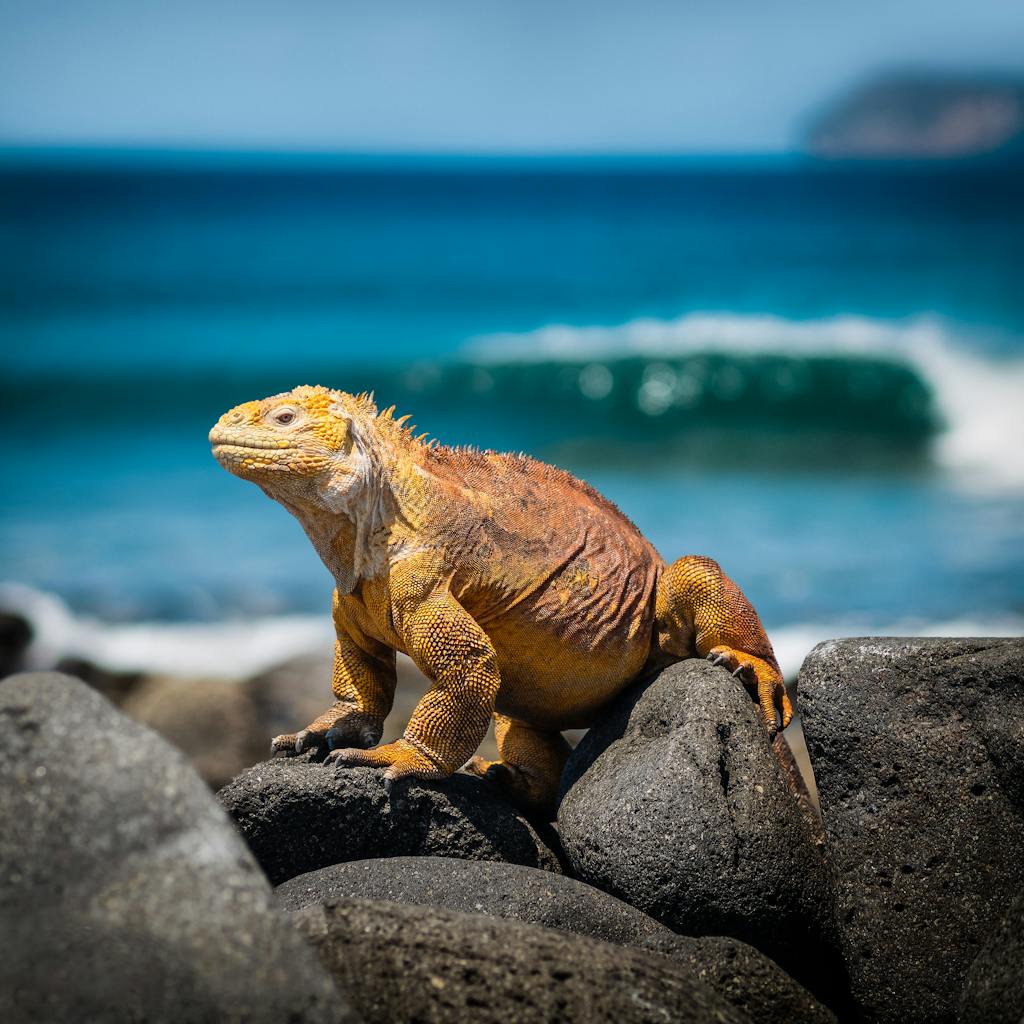
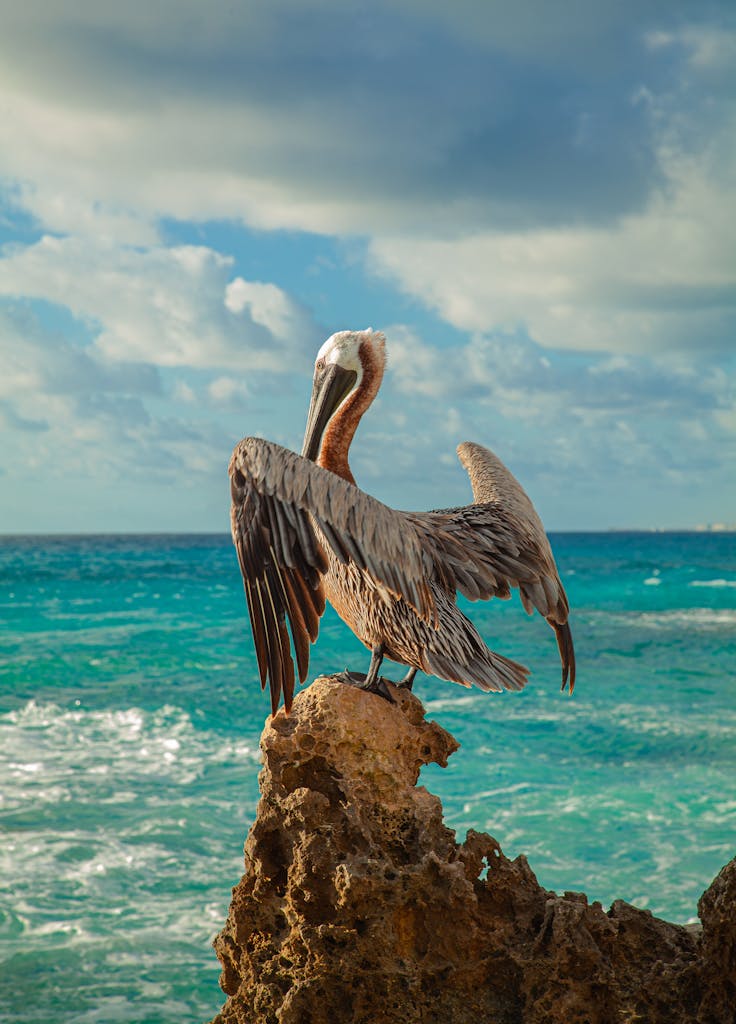
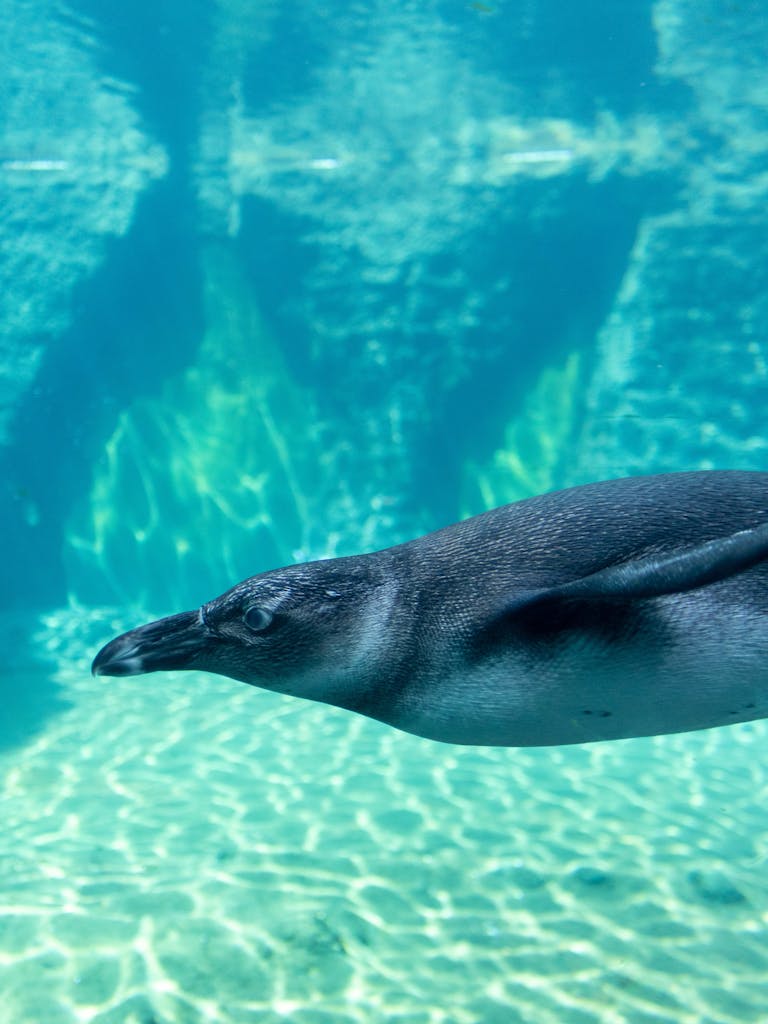
The Galápagos Islands sit about 1,000 kilometers west of Ecuador’s coast. They formed from volcanic activity and being so far from the mainland means the animals here are different from anywhere else. This is the place where Darwin came up with his ideas about evolution by natural selection. When I visited, I saw giant tortoises and marine iguanas living in ways that really fit their environment.
Tourism is important for the local people because it helps them make money but it also creates problems for the environment. The challenge is to keep the islands healthy while still letting people visit. The officials work on protecting these delicate areas and at the same time letting visitors see what’s there. This balance shows how the economy and nature are connected in Ecuador and the Galápagos.
If you want to know more about visiting uncommon spots like this, check out the Trundless Blog and our Trundless Guides. There are useful tips to plan your trip while respecting places like the Galápagos.
Explorer les merveilles géographiques de l’Équateur
Ecuador sits right on the equator, so you get all kinds of different landscapes close together. It’s in South America, and that means you’ll find a lot of different plants and animals living in one place. Each area feels different, showing you a bunch of what nature here has to offer.
Des écosystèmes diversifiés façonnés par l’équateur
Ecuador sits right on the equator, so you get all kinds of weather and places. One minute you’re in a hot rainforest and the next you’re up in cooler mountains. There’s a mix of landscapes and lots of different plants and animals living there.
Voyage à travers les régions biogéographiques
1. Forêt amazonienne
People around here call it El Oriente, part of the Amazon Basin. It’s full of animals like jaguars, pink river dolphins, and tons of birds. The Napo River runs through this rainforest; it’s one of the bigger rivers feeding into the Amazon. The river is a key route for both animals and the local indigenous groups living nearby.
2. Montagnes des Andes
The Andes run through Ecuador from north to south, so you get a lot of different landscapes and habitats. You can see Cotopaxi and Chimborazo, two big volcanoes that really stand out. The paramo is this high grassland area, cold and open, and it’s home to some plants and animals you won’t see anywhere else.
3. Zones côtières
Ecuador’s coast runs along the Pacific, with mangroves, beaches, and forests by the water. These spots matter a lot for sea life; humpback whales come by every year during their migration. Towns like Manta and Guayaquil make most of their living from fishing and tourists.
Contributions côtières au patrimoine naturel
The coast in Ecuador is pretty important for the environment there. Mangrove forests aren’t just places where animals live, they also help stop the shoreline from wearing away and protect against storms. And there are marine reserves that keep coral reefs and underwater life safe, which matters a lot because local people rely on the fish for food and work.
When you spend time around these areas you can see how Ecuador’s location along the equator affects the variety of life there. The mix of different ecosystems makes it a place with a lot going on in nature.
Les îles Galápagos : là où l’évolution prend vie
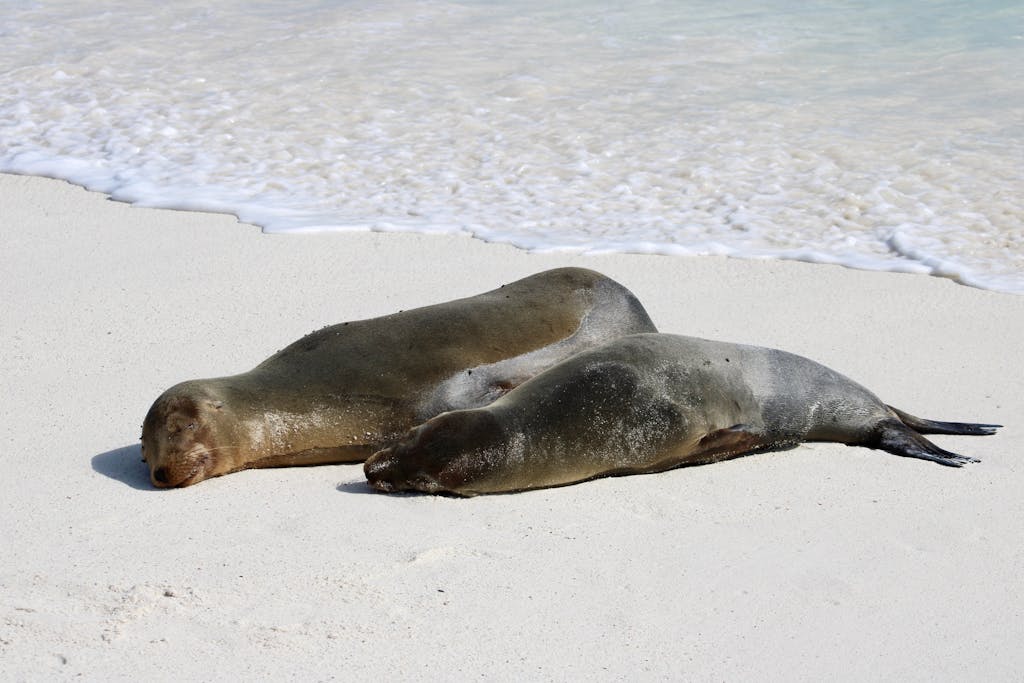
The Galápagos are a group of volcanic islands about 1,000 kilometers off Ecuador’s coast. They started as volcanoes underwater millions of years ago, then popped up from the ocean. The islands have a unique look that’s caught the attention of scientists and people who enjoy seeing new places.
La visite de Darwin et la théorie de l’évolution
Back in 1835, Darwin spent some time on the Galápagos Islands, and it really stuck with him. He noticed how animals on different islands had small changes that seemed to fit their surroundings. The finches there, with their beaks shaped differently depending on what they ate, were a big part of the idea he came up with about how species change over time.
Diverses adaptations aux Galápagos
Les incroyables adaptations trouvées chez les espèces des Galápagos vont au-delà des pinsons :
- Manchots des Galápagos ont évolué pour prospérer dans les eaux chaudes de l’archipel, contrairement à leurs homologues antarctiques.
- Iguanes marins ont développé des capacités spéciales pour rechercher des algues sous l’eau.
- Tortues géantes , d’où le nom de ces îles, peuvent peser plus de 400 kilogrammes et symbolisent la faune unique de la région.
These islands show how being cut off and having different places to live creates a bunch of different animals and plants you don’t see anywhere else.
Une histoire de découvertes
Before Darwin showed up, Spanish explorers found the Galápagos in 1535 and named the islands after the giant tortoises they saw there. These tortoises have become well-known symbols of conservation and stand for the unique animals living on the islands.
À la découverte des îles
Chaque île des Galápagos a son propre récit écologique, offrant un aperçu du monde de l’évolution :
- Les champs de lave stériles de l’île Fernandina mettent en valeur la puissance brute de l’activité volcanique.
- Les hauts plateaux luxuriants de Santa Cruz offrent un environnement contrasté avec une végétation diversifiée.
Walking where Darwin did, you can actually see evolution happening around you. The islands keep changing because of volcanic eruptions that are still going on. And that means the plants and animals have to keep figuring out how to live with all the new stuff popping up.
Une fenêtre sur le passé
Visiting the Galápagos is like stepping into a place where you can watch nature doing its thing. The islands have played a big part in how we understand evolution, so it’s a cool spot if you’re into seeing how plants and animals live and change over time.
La conservation en action : protéger le patrimoine naturel des Galápagos
It’s important to get why the animals that live only in the Galápagos matter so much. Things like giant tortoises and marine iguanas don’t live anywhere else. They’ve changed over time in ways you won’t see outside those islands, and that helps us understand how life adapts. People are working to protect them by fixing up their homes, breeding some in captivity, and cracking down on poachers and illegal sellers.
There are places set aside like the Galápagos National Park and the Marine Reserve that help keep things safe. The National Park covers nearly all the islands and is where most plants and animals live without much disturbance. The Marine Reserve is huge, more than 130,000 square kilometers, and it stops overfishing and other damage to the ocean life. They keep an eye on the animals, do research, and make sure the rules are followed to keep everything in check.
Keeping nature safe while still letting people visit is really important. You’ve got to be careful not to mess things up but still help the local economy. Some ways to do that are:
- Quotas de visiteurs : Limiter le nombre de touristes pour réduire la pression sur les écosystèmes.
- Visites guidées: Veiller à ce que tous les visiteurs soient accompagnés par des guides certifiés qui les éduquent sur la conservation.
- Infrastructures respectueuses de l’environnement : Promouvoir des hébergements et des installations qui adhèrent à des pratiques durables.
If we stick to these rules, it’s easier to keep a good balance between what people do and keeping this place safe for nature.
Sustaining Paradise : relever les défis environnementaux aux Galápagos
Espèce envahissante
In the Galápagos, invasive animals and plants cause a lot of trouble. Rats were brought there by accident and they eat bird eggs and young tortoises. And some plants not from there change the soil and push out the plants that belong to the islands. It’s rough because the original animals and plants can’t keep up with the new ones taking over.
Les efforts visant à atténuer ces impacts comprennent :
- Programmes d’éradication : Des projets réussis ont permis d’éliminer des espèces envahissantes comme les chèvres de plusieurs îles.
- Mesures de biosécurité : Protocoles stricts aux points d’entrée pour éviter de nouvelles introductions.
- Campagnes de sensibilisation du public : Éduquer les habitants et les touristes sur l’importance de protéger la biodiversité indigène.
Impact sur le tourisme
Tourism in the Galápagos Islands brings in money that people need but also puts a lot of strain on the natural spots and animals. The number of visitors has to be kept in check so the environment can keep going like it should.
Les principales stratégies sont les suivantes :
- Fréquentation réglementée : Limiter les visiteurs quotidiens pour réduire l’empreinte humaine.
- Infrastructures durables : Hébergements et moyens de transport écologiques.
- Visites guidées : S’assurer que toutes les activités touristiques sont dirigées par des guides certifiés formés aux principes de conservation.
Initiatives communautaires
Getting local people involved in decisions about the environment helps them feel like it’s their responsibility to take care of it. And community projects play a big part in making sure things keep going in a way that works for everyone.
Les programmes notables sont :
- Gestion des pêches : Les pêcheurs locaux participent au suivi des réserves marines, assurant ainsi des captures durables.
- Pratiques agricoles : Promouvoir des techniques d’agriculture biologique qui minimisent l’impact environnemental.
- Projets relatifs au patrimoine culturel : Intégrer les connaissances traditionnelles aux pratiques de conservation modernes pour protéger les paysages naturels et culturels.
The people working there aren’t just trying to keep things going, they want to make sure the Galápagos Islands stay healthy and full of life, so kids and grandkids can still see what’s there now.
Vers un avenir équilibré
Visiting the Galápagos Islands with a focus on eco-tourism means you’re doing more than just seeing the place. You’re helping local people and looking after the environment at the same time. When you stick to simple, responsible habits, it makes a difference for the animals and plants there, and you get to enjoy the islands without messing things up.
Comment vous pouvez aider
Voici quelques façons dont vous pouvez contribuer à la préservation des îles Galápagos :
- Éduquer vous-même sur les efforts de conservation locaux.
- Avocat pour des pratiques durables, telles que la réduction des déchets et le soutien aux hébergements écologiques.
- Participer dans des visites guidées qui mettent l’accent sur un impact minimal sur l’environnement.
Looking ahead, keeping Ecuador and the Galápagos Islands in good shape means sticking with conservation for the long haul. It takes everyone government, nonprofits, and local folks working together to keep these ecosystems balanced.
And mixing eco-tourism with solid conservation plans could make the area a solid example for others. Still, it really comes down to all of us doing our part to look after these places that can’t be replaced.